Toenail Fungus Treatment from a Foot Fungus Doctor Near You
Clear Up Toenail Fungus with Professional Podiatric Care
Toenail fungus is one of the most common nail conditions podiatrists treat, but that doesn't make it any less frustrating to deal with. The infection tends to develop slowly and quietly, often going unnoticed until the nail has already become noticeably discolored, thickened, or brittle. By that point, over-the-counter remedies rarely get the job done. Professional treatment is typically what it takes to clear the infection and restore the nail.
At Council Bluffs Foot & Ankle Care, Dr. Patrick Barnes provides effective, individualized treatment for toenail fungus. He'll evaluate your nails, confirm the diagnosis, and recommend the treatment approach most likely to work for your specific situation. Whether your case is mild or well-established, Dr. Barnes has the tools and experience to help.
Don't wait for a fungal infection to get worse. Request an appointment with Dr. Barnes today.
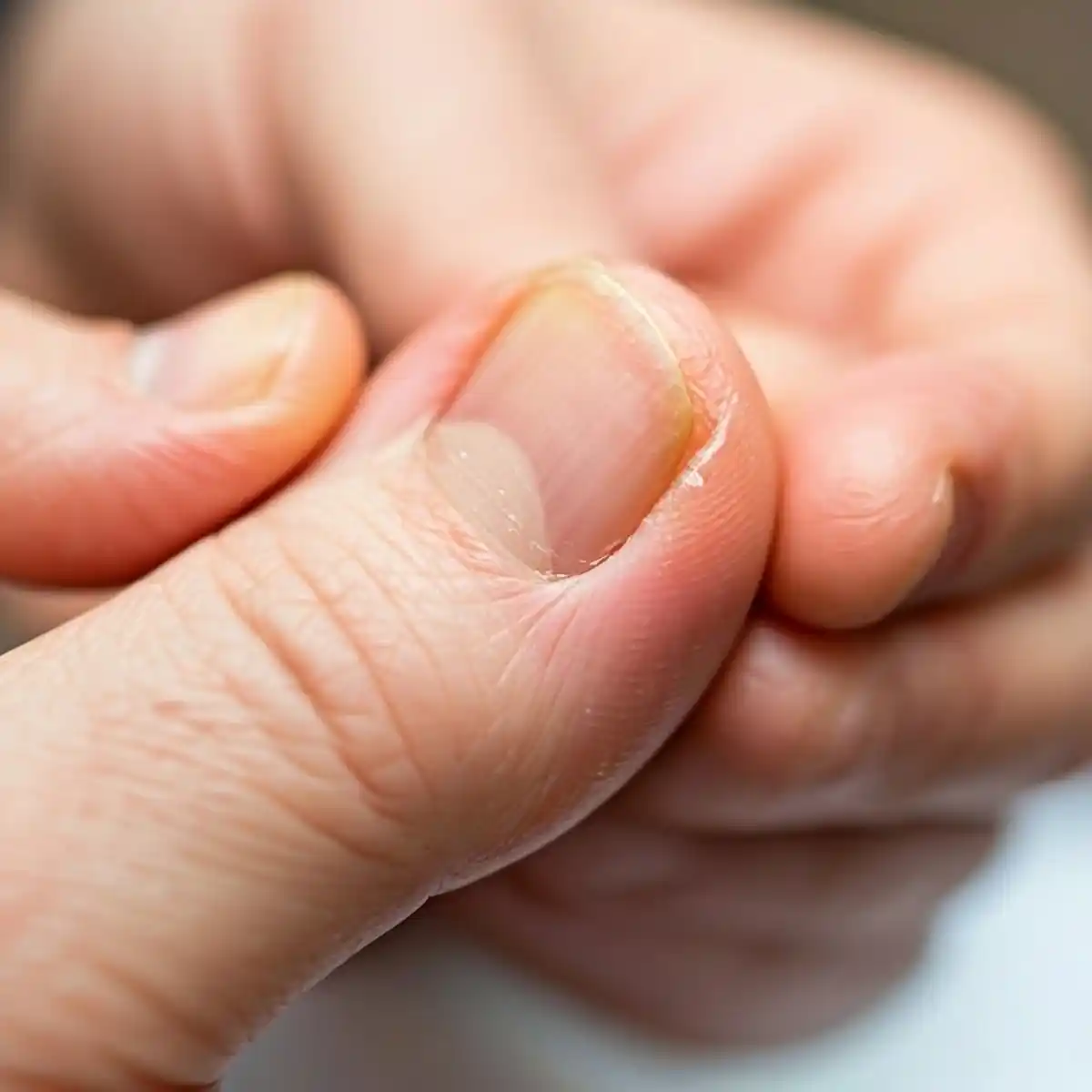
What Causes Toenail Fungus & How to Recognize It
Understanding Fungal Toenail Infections
Toenail fungus, medically known as onychomycosis, is a fungal infection that affects the nail and the tissue beneath it. It's the most common cause of nail thickening and discoloration and accounts for a large portion of all nail disorders seen in podiatric practice.
Causes & Risk Factors
Onychomycosis is caused by dermatophyte fungi, the same organisms responsible for athlete's foot. The infection typically begins at the tip of the nail and works its way back toward the nail root over time. Fungus thrives in warm, moist, dark environments, which is why the feet are particularly susceptible. Risk factors include:
- A history of athlete's foot or skin fungal infections
- Sweaty feet or consistently wearing damp footwear
- Walking barefoot in communal areas like pools, locker rooms, or gym showers
- Wearing tight shoes that restrict airflow around the toes
- Older age, as nails become more vulnerable to infection over time
- Reduced circulation or a weakened immune system
- Diabetes, which increases susceptibility to foot and nail infections
Types of Toenail Fungus
While dermatophytes are the most common culprit, toenail infections can also be caused by non-dermatophyte molds or yeasts such as Candida. The type of organism involved can influence which treatment is most effective, which is one reason a professional evaluation is valuable rather than guessing at home remedies.
Symptoms
Toenail fungus often goes unnoticed in its early stages because it rarely causes pain. As the infection progresses, common symptoms include:
- Yellow, white, or brown discoloration of the nail
- Thickening or distortion of the nail shape
- Brittle, crumbly, or ragged nail edges
- A buildup of debris under the nail
- A foul odor coming from the affected nail
- In more advanced cases, separation of the nail from the nail bed
The big toenail is most commonly affected, though the infection can spread to other nails if left untreated. It can also spread to the surrounding skin, contributing to or worsening athlete's foot.
Toenail Fungus Treatment Options Available in Council Bluffs
How Dr. Barnes Treats Toenail Fungus
Treatment for onychomycosis depends on the severity of the infection, the number of nails affected, and the patient's overall health. Dr. Barnes will review your nail health and recommend the most appropriate approach, which may involve one or more of the following options.
Topical Antifungal Medications
For mild to moderate cases, topical antifungal treatments applied directly to the nail can be effective. Dr. Barnes carries physician-dispensed topical medications in the office, as well as prescription options such as Jublia and Kerydin, which are formulated to penetrate the nail and target the fungal infection beneath it. Topical treatments are a good fit for patients who prefer to avoid oral medication or have health considerations that make systemic treatment less appropriate.
Oral Antifungal Medication
For more established infections, oral antifungal medication is often the most effective treatment option. Dr. Barnes may prescribe Lamisil (terbinafine), which treats the infection at the nail bed where the fungus is most active. Lamisil is typically taken for three months, allowing a healthier nail to grow in as the infection clears. Because oral antifungals are processed by the liver, lab work is usually performed before starting the medication to ensure it's appropriate for you.
Nail Debridement
Regardless of which treatment approach is used, Dr. Barnes may trim and thin the affected nail during your visit. Reducing the thickness of an infected nail improves the penetration of topical medications and can relieve any discomfort caused by the nail pressing against footwear.
Nail Removal
In cases where the nail has become severely thickened, deformed, or unresponsive to topical or oral treatment, permanent nail removal may be the most practical solution. Dr. Barnes performs this procedure in the office under local anesthesia. Removing the nail eliminates the infected tissue entirely and, in most cases, resolves the problem more definitively than medication alone.
Prevention Tips
Treating the infection is only part of the picture. Dr. Barnes may also recommend steps to reduce the risk of reinfection, including:
- Treating any concurrent athlete's foot or skin fungal infection
- Using antifungal shoe spray to eliminate fungus from footwear
- Wearing breathable, moisture-wicking socks
- Avoiding nail polish on affected nails, which can trap moisture and worsen the condition
- Keeping nails trimmed short and clean
Frequently Asked Questions
What does toenail fungus look like?
Toenail fungus typically starts as a small white or yellow spot near the tip of the nail and gradually spreads inward. As the infection progresses, the nail often becomes discolored, thickened, brittle, and distorted in shape. Debris may build up under the nail, and in some cases, the nail begins to separate from the nail bed. Because these changes develop slowly, many patients don't notice the infection until it's already well established. If your nail looks or feels different from normal, it's worth having Dr. Barnes take a look to confirm whether fungus is the cause.
Is toenail fungus contagious?
Yes. Toenail fungus can spread from person to person through direct contact or shared surfaces, and it can also spread from one of your own nails to others. Walking barefoot in communal areas, sharing towels or nail tools, and wearing someone else's shoes all increase the risk of transmission. If you're being treated for toenail fungus, it's also important to treat your footwear and any concurrent skin fungal infection to avoid reinfecting yourself after treatment.
How long does toenail fungus treatment take?
Treatment takes time because nails grow slowly. Even after the infection is cleared, it takes several months for a healthy nail to fully grow in and replace the infected nail tissue. Oral antifungal medication is typically taken for about three months, but visible improvement in the nail's appearance may not be fully apparent for six months to a year as the nail grows out. Consistency with treatment and follow-up care is key to getting the best results. Dr. Barnes will monitor your progress and adjust the plan if needed.
How do I schedule with a podiatrist near me for toenail fungus removal?
Scheduling at Council Bluffs Foot & Ankle Care is simple and convenient. You can request an appointment online or call our office directly at (712) 328-0297. Our friendly team will help you find a time that works with your schedule.